
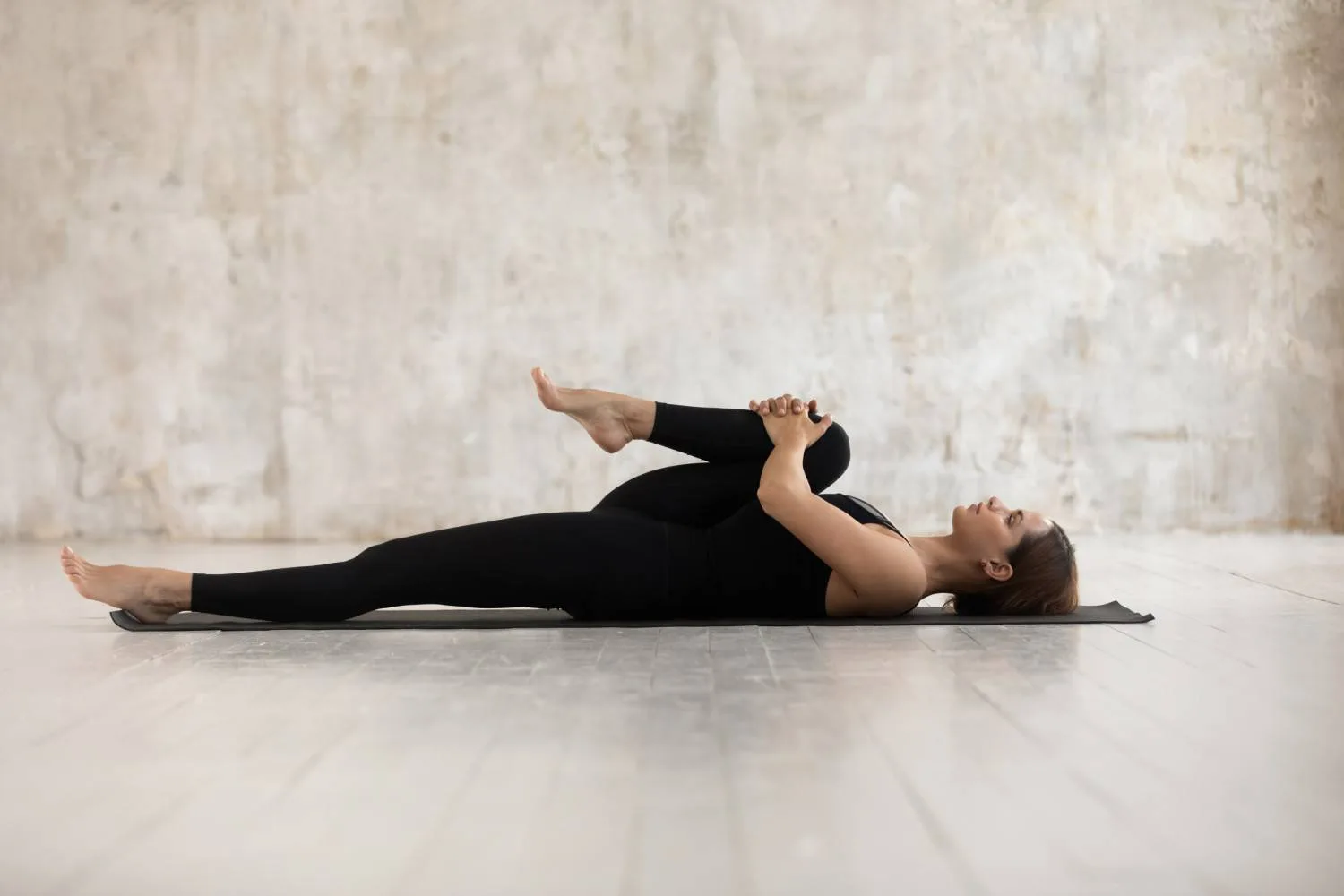
Returning to sports after breast reduction surgery often raises many questions, yet most people discover that a gradual, thoughtful approach helps the body regain strength smoothly while preventing unnecessary strain on healing tissues during the first crucial weeks of recovery.
How does the early healing phase affect exercise plans?
The early phase is delicate, and your body needs calm pacing to settle. Swelling may appear quickly. Bruising might follow as tissues adjust. According to our editor’s research, these early signs are normal and temporary. Light walking is usually safe because it boosts circulation gently. Arm movements must stay minimal to avoid pulling stitches. Short daily walks help reduce stiffness. Avoiding heavy motions protects internal healing. The early period is about patience rather than performance.
Why should you wait before returning to intense workouts?
Exercise places force on recovering tissues, and force slows down healing. As a result of our editor’s reviews, early workouts often lead to extended swelling. High-impact actions can disturb the chest muscles that support healing. Running or jumping strains incisions. Heavy lifting increases pressure significantly. Rest allows scar tissue to settle. Healing time varies by individual. Overexertion delays the process. Gradual progression prevents setbacks. Safety should guide every decision.
What exercises are safe during the first weeks?
Walking remains the safest early option. Gentle leg movements can support circulation. According to our editor’s research, slow pacing reduces discomfort. Avoid stretching your arms overhead. Avoid pushing or pulling exercises entirely. Focus on lower-body mobility instead. Keep sessions brief and restful. Choose calm indoor environments. Allow your body to respond naturally. Comfort should always lead the process.
Why is proper support essential when you resume activities?
Breast tissue needs stability after surgery. A supportive garment helps reduce movement. As a result of our editor’s reviews, compression bras offer steady control. Firm support helps swelling resolve. It protects healing stitches during motion. It reduces discomfort during early walking. Avoid underwire bras initially. Ensure straps do not irritate incisions. Daily wear brings consistent results. Support improves overall comfort greatly.
How should you approach upper-body exercises after reduction?
Upper-body movements strain chest muscles directly. Healing tissues remain sensitive for weeks. According to our editor’s research, pushing movements delay recovery. Overhead lifts stress incisions quickly. Early weight training increases tension. Choose controlled and slow reintroduction. Begin with minimal loads. Keep arms near your body initially. Let mobility return naturally with time. Avoid forcing range of motion. Healing thrives with gentle pacing.
What signs show you may be doing too much?
New pain may appear suddenly. Swelling can increase after activity. As a result of our editor’s reviews, sharp discomfort signals strain. Bruising may return if pressure rises. Incisions can feel tight or irritated. Fatigue may last longer than expected. These signs mean slow down. The body communicates clearly during healing. Listening prevents future complications. Resting after such signs is essential.
When can you start moderate workouts again?
Moderate workouts depend on healing speed. Surgeons often allow gradual exercise after several weeks. According to our editor’s research, light cycling may begin earlier than jogging. Low-impact training supports smoother recovery. Avoid chest-focused training until cleared. Maintain steady breathing throughout exercise. Keep hydration steady every day. Give muscles time to adapt slowly. Never rush lunges or arm use. Milestones feel better when safe.
What should you know about returning to high-impact sports?
High-impact sports require stable healing. Running, tennis, and aerobics need strong support. As a result of our editor’s reviews, these sports demand full incision closure. Chest movement must feel comfortable. Swelling should be minimal. Strength should return to baseline. Wearing a firm sports bra is essential. Warm-up routines reduce strain. Cool-down stretches protect muscles. Starting slowly helps prevent irritation.
How can you maintain long-term comfort while exercising?
Long-term habits matter greatly. Supportive clothing protects tissues. According to our editor’s research, moisture-wicking fabrics reduce irritation. Hydration improves flexibility. Balanced nutrition aids muscle recovery. Avoid repetitive stress when possible. Strengthen core muscles gradually. Maintain proper posture during training. Review form with professionals if needed. Pay attention to your body’s limits. Comfort builds consistent routine.
Why are follow-up appointments helpful for athletes?
Follow-ups provide reassurance. Surgeons track your healing progression. As a result of our editor’s reviews, these visits guide safe workouts. They confirm when intensity can rise. They check incision strength and muscle stability. They answer activity-related questions directly. They prevent avoidable complications. Clear guidance builds confidence. Personalized advice supports long-term comfort.